Best Hotels in London in Central London
By the All Suite Hotel Editorial Team — travel research updated 2026. Recommendations are editorial; verify current prices, availability and policies directly with each hotel before booking.
London is one of the world’s great cities, a sprawling capital where royal palaces, world-class museums, historic landmarks and vibrant neighbourhoods sit side by side. Staying in central London places you within easy reach of the major sights, theatres and transport, making the most of a visit to this endlessly rewarding city. This guide covers the best hotels and areas in central London for 2026, what each offers, indicative rates, and how to choose the base that suits your trip and budget.
How We Chose These Hotels and Areas
Our picks favour hotels in well-located, well-connected central London areas, offering good access to sights and transport, comfort and quality across budgets, and a strong sense of place. We weighed location and convenience, proximity to attractions, comfort and value, and the neighbourhood’s atmosphere. Indicative nightly rates are high in central London and vary by area, hotel class and season, so we note broad ranges.
Understanding Central London
Central London spans distinct areas connected by the Underground (the Tube): the West End for theatres and shopping, Westminster for landmarks, South Kensington for museums, and the City for history and modern towers. The excellent Tube and bus network makes the whole city accessible, so choosing an area balances proximity to your priorities, atmosphere and budget, with a central, well-connected base saving time and travel.
The West End: Theatres and Shopping
The West End — covering Soho, Covent Garden, Mayfair and the areas around Oxford Street — is London’s vibrant heart, home to theatres, shopping, dining and nightlife. Staying here places you amid the action, walkable to theatres, restaurants and many sights, with excellent transport. It’s a lively, central base ideal for first-timers and those wanting entertainment, shopping and dining on the doorstep.
What to Expect and Budget
West End hotels range widely, from around £150 to £700+ per night depending on class and location, with luxury Mayfair properties higher. The area’s central position and transport make it very convenient, though busy. The West End suits those wanting to be near theatres, shopping and dining, especially first-timers, with the trade-off of crowds and higher prices that come with London’s most central, lively district.
Westminster and the South Bank
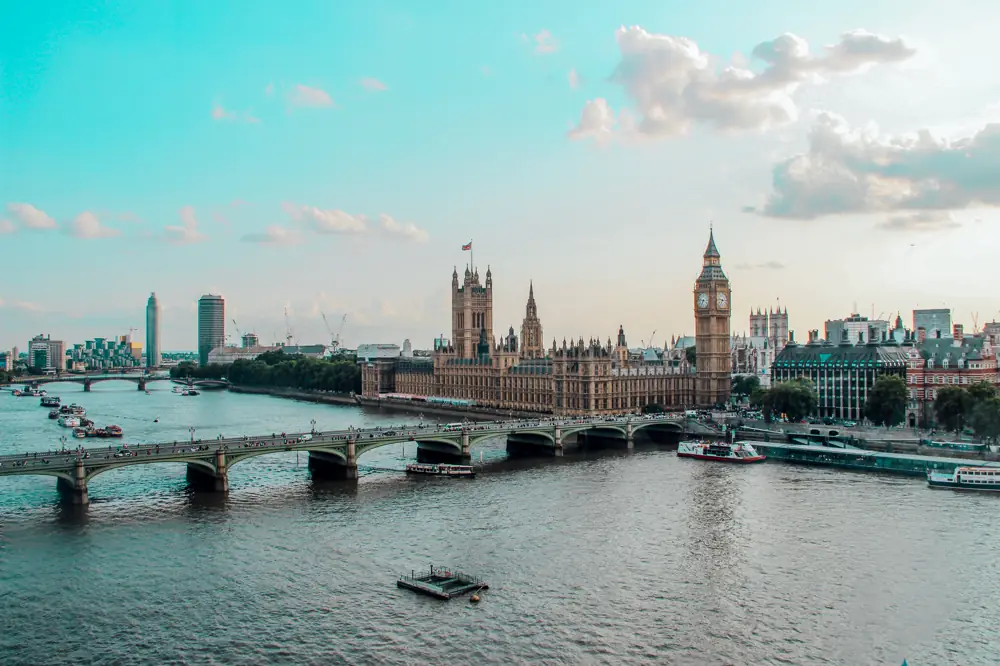
Westminster, home to Big Ben, the Houses of Parliament, Westminster Abbey and Buckingham Palace, and the adjacent South Bank along the Thames (the London Eye, galleries, theatres), offer a landmark-rich central base. Staying here places you near iconic sights and riverside walks, with good transport. It suits travellers wanting to be close to London’s most famous landmarks and the vibrant South Bank cultural scene.
Who This Area Suits Best
Westminster and the South Bank suit travellers prioritising proximity to iconic landmarks and riverside culture, with hotels from around £150 to £600+ per night. The area places Big Ben, the Abbey, the London Eye and Thames walks within easy reach, with good transport links. Ideal for first-timers and sightseers, it offers a central, landmark-filled base combining royal and political history with the lively South Bank.
South Kensington and Knightsbridge
South Kensington, home to the great museums (the Natural History, Science and V&A museums), and neighbouring Knightsbridge, known for Harrods and elegant streets, offer a refined, cultured central base. These upscale areas provide a calmer, sophisticated atmosphere near museums, parks (Hyde Park) and shopping, with good transport. They suit travellers wanting elegance, culture and green space over the West End’s bustle.
Who This Area Suits Best
South Kensington and Knightsbridge suit travellers wanting refined elegance, museums and proximity to Hyde Park, with hotels from around £180 to £800+ per night in these upscale districts. The areas offer world-class museums, elegant shopping and a calmer atmosphere, with good Tube links. Ideal for culture lovers, families visiting museums, and those preferring sophistication and green space, they provide a genteel central base for exploring London.
The City and Covent Garden for Character
The City of London, blending ancient history (St Paul’s, the Tower of London nearby) with modern skyscrapers, and characterful areas like Covent Garden and Bloomsbury, offer bases with distinct atmospheres. The City can offer value at weekends when its business crowd departs, while Covent Garden and Bloomsbury provide central charm near theatres, the British Museum and lively streets. These suit travellers seeking character and history.
Matching Area to Your Trip
Consider the City for history, modern architecture and potential weekend value; Covent Garden for central buzz near theatres; and Bloomsbury for a literary, museum-rich atmosphere near the British Museum. Each offers a distinct character and good transport. Match the area to your interests — history, entertainment or culture — and your budget, using London’s excellent transport to reach sights across the city from any central base.
Getting Around London
The Underground (Tube) is the fastest way around central London, complemented by iconic buses, and contactless payment or an Oyster card makes travel easy. Central London is also very walkable, with many sights close together. From the airports, trains (like the Heathrow Express or Elizabeth line) and other options connect to the centre. Staying near a Tube station keeps the whole city accessible.
Navigating Like a Pro
Use contactless payment on the Tube and buses for easy, capped fares, walk between close-together central sights, and use apps for routes. The Elizabeth line and other rail links connect the airports efficiently. Staying near a Tube station keeps everything within reach, so factor transport proximity into your hotel choice, and enjoy London’s walkable centre alongside its excellent public transport for exploring the city.
Best Time to Visit London
London is a year-round destination, but late spring (May-June) and early autumn (September) often offer the most pleasant weather, with long days and gardens in bloom in spring. Summer is the busiest and liveliest with events, while winter is cooler and quieter, festive around the holidays. London’s weather is famously changeable year-round, so pack for rain whenever you visit; spring and autumn balance weather and crowds well.
Timing Tips
For pleasant weather, target late spring or early autumn, booking ahead as summer is busiest and priciest. Summer brings long days and events but crowds, while winter is quieter with festive charm and better value. London’s weather is unpredictable in any season, so bring layers and an umbrella. Choose based on whether you want the best weather, summer buzz, or quieter, more affordable off-season conditions.

Booking Tips
To get the best value in pricey central London, book early, especially for summer, and compare areas, as location affects both price and convenience; consider the City at weekends or areas slightly outside the immediate centre for value. Confirm the hotel’s proximity to a Tube station, be aware London rooms can be compact, and check whether breakfast and other extras are included when comparing rates.
Getting the Details Right
Confirm the hotel’s area, distance to a Tube station and key sights, room size (often compact in London), and what’s included, before booking. Match the area to your priorities — West End for entertainment, Westminster for landmarks, South Kensington for museums, the City or Bloomsbury for character. These details ensure your central base fits your budget and delivers the London experience you’re after.
Frequently Asked Questions
Which area is best for first-time visitors to London?
The West End (Soho, Covent Garden) is a popular first-timer base, central to theatres, shopping and dining with excellent transport, while Westminster and the South Bank place you near iconic landmarks. Both offer central convenience for sightseeing. Choose the West End for entertainment and buzz, or Westminster for proximity to Big Ben, the Abbey and the Thames. Either provides a well-connected base for exploring London’s major sights on a first trip.
Is it expensive to stay in central London?
Yes — central London hotel rates are high and vary by area and season, with the West End and summer most expensive. For better value, consider the City at weekends, areas slightly outside the immediate centre, or travelling outside peak summer. Rooms can be compact, and extras like breakfast may cost more, so budget carefully and book early. Good transport means a slightly less central base can still be convenient and cheaper.
When is the best time to visit London?
Late spring (May-June) and early autumn (September) often offer the most pleasant weather and are ideal, though popular. Summer is busiest and liveliest with events, while winter is quieter, cheaper and festive around the holidays. London’s weather is changeable year-round, so pack for rain any season. Choose based on whether you prioritise the best weather, summer energy, or quieter, more affordable off-season conditions for your visit.
Final Thoughts
Central London offers a base shaped by your interests, from the West End’s theatres and shopping to Westminster’s landmarks, South Kensington’s museums, or the City’s history and value. Prioritise a location near a Tube station, match the area to your priorities and budget, and time your visit for late spring or early autumn if you can. Get those choices right and central London will unfold as an endlessly rewarding city, with its royal, cultural and historic treasures easily within reach.