Best Hotels in Tokyo for First-Time Visitors
By the All Suite Hotel Editorial Team — travel research updated 2026. Recommendations are editorial; verify current prices, availability and policies directly with each hotel before booking.
Tokyo can feel overwhelming to first-time visitors — a vast, dazzling metropolis of neon districts, ancient temples and world-class dining spread across many distinct neighbourhoods. Choosing the right hotel and area is key to a smooth, memorable first trip, putting you close to the sights, transport and experiences you came for. This guide covers the best hotels and areas in Tokyo for first-time visitors in 2026, what each offers, indicative rates, and how to choose the base that suits your itinerary and style.
How We Chose These Hotels and Areas
Our picks favour hotels in convenient, well-connected areas ideal for first-timers, offering good access to major sights and transport, comfort and quality across budgets, and English-friendly service. We weighed location and transport links, ease for newcomers, comfort and value, and the overall suitability for a first Tokyo trip. Indicative nightly rates vary widely by area, hotel class and season, from mid-range to luxury.
Understanding Tokyo’s Layout
Tokyo is a collection of distinct districts connected by an excellent train and subway network. For first-timers, basing yourself near a major hub — Shinjuku, Shibuya, Tokyo Station, Ginza or Asakusa — makes exploring easy. The efficient rail system means you don’t need to stay centrally to reach sights, but a well-connected area saves time. Understanding this helps you choose a base that balances access, atmosphere and budget.
Shinjuku: Vibrant and Well-Connected
Shinjuku is one of Tokyo’s most vibrant hubs, home to the world’s busiest station, dazzling neon, dining, shopping and nightlife, plus the peaceful Shinjuku Gyoen park. Its excellent transport links make it a superb base for first-timers wanting energy and convenience. Hotels here range from budget to luxury, and the area offers a quintessential Tokyo experience of lights, crowds and endless discovery.
What to Expect and Budget
Hotels in Shinjuku range from around ¥12,000 to ¥60,000+ per night depending on class, from efficient business hotels to luxury towers with skyline views. The area’s transport links make reaching anywhere in Tokyo easy. Shinjuku suits first-timers who want to be in the heart of the action, with dining and nightlife on the doorstep, though it’s busy and bustling, which is part of its appeal.
Shibuya: Youthful Energy
Shibuya, famous for its scramble crossing and youthful, trendy atmosphere, offers shopping, dining and nightlife with a fashionable edge, well-connected by train. It’s a popular, exciting base for first-timers wanting to be near iconic sights and vibrant street life. Recently redeveloped with new towers and viewpoints, Shibuya combines classic Tokyo buzz with modern attractions and excellent transport.
Who Shibuya Suits Best
Shibuya suits younger travellers and those wanting trendy energy, shopping and nightlife, with hotels from around ¥12,000 to ¥55,000+ per night. Its famous crossing and lively streets are quintessential Tokyo, and transport links are excellent. The area is busy and youthful, ideal for those who want to be amid the action and fashion, and close to both iconic sights and modern attractions and viewpoints.
Ginza and Tokyo Station: Elegant and Central
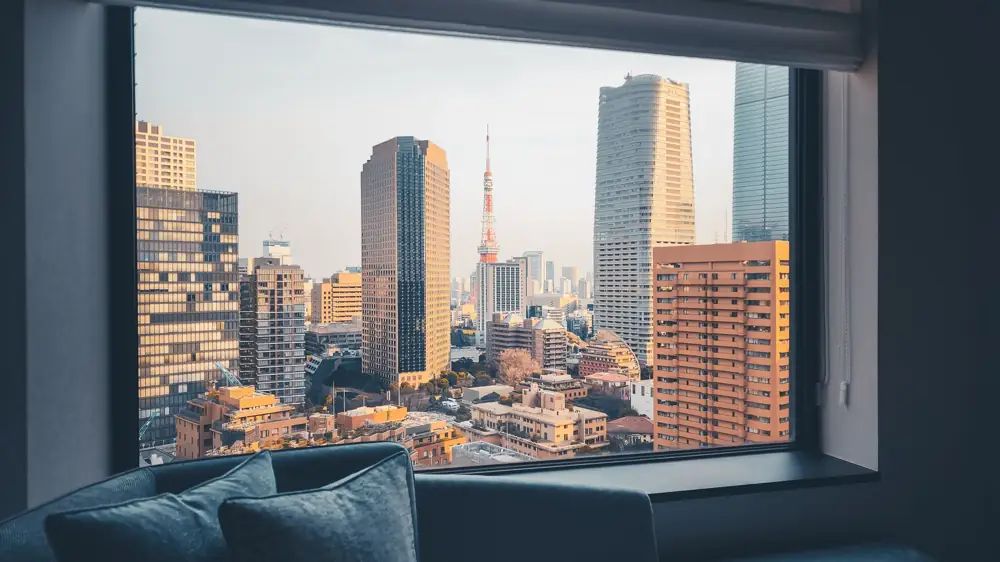
Ginza, Tokyo’s upscale shopping and dining district, and the adjacent Tokyo Station area offer an elegant, central base with excellent transport, including the shinkansen (bullet train) for day trips. This area suits first-timers wanting refinement, convenience and easy access, with luxury hotels and sophisticated dining. It’s more polished and calmer than Shinjuku or Shibuya, appealing to those preferring elegance.
Who This Area Suits Best
Ginza and Tokyo Station suit travellers wanting central elegance, upscale shopping and dining, and superb transport including bullet-train access, with luxury hotels from around ¥30,000 to ¥120,000+ per night and mid-range options nearby. The area is refined and convenient, ideal for those preferring sophistication and easy day trips over the youthful buzz of Shibuya or the neon energy of Shinjuku.
Asakusa: Traditional Tokyo
Asakusa offers a glimpse of old Tokyo, centred on the historic Senso-ji temple, traditional streets and a more atmospheric, cultural feel. It’s a charming, often more affordable base for first-timers wanting history and character alongside good transport. While quieter and more traditional than the western hubs, Asakusa connects well to the city and immerses you in Tokyo’s heritage.
Who Asakusa Suits Best
Asakusa suits travellers wanting traditional atmosphere, cultural sights and often better value, with hotels from around ¥8,000 to ¥35,000+ per night, including ryokan-style options. It’s more historic and relaxed than the neon districts, ideal for those drawn to old Tokyo and temples. Transport links reach the rest of the city, so you can enjoy the heritage base while easily exploring Tokyo’s modern side.
Getting Around and Practical Tips
Tokyo’s train and subway network is extensive, efficient and the best way to get around; an IC card (Suica or Pasmo) makes travel seamless. From the airport, trains and limousine buses connect to the city. For first-timers, staying near a major station simplifies navigation. English signage is common on transport and in tourist areas, and Tokyo is famously safe, clean and welcoming to visitors.
Navigating Like a Pro
Get an IC card on arrival for easy train travel, use navigation apps for routes, and consider your hotel’s proximity to a major line for convenience. From Narita or Haneda airports, plan your transfer in advance. Tokyo is very safe and easy to navigate once you grasp the rail system, and staying near a hub means you can reach any district, day trip or sight with ease during your first visit.
Best Time to Visit Tokyo
Tokyo is rewarding year-round, but spring (cherry blossom, late March to April) and autumn (foliage and mild weather, October to November) are the most popular and beautiful, with pleasant temperatures. Summer is hot and humid, winter cool and clear with fewer crowds. Spring and autumn offer the loveliest conditions but higher demand, so book ahead; for value and fewer crowds, consider winter or early summer.
Timing Tips
For the famous cherry blossom or autumn colours, visit in spring or autumn, booking well ahead as these peak seasons are busy and pricier. Summer is hot and humid but lively with festivals, while winter is cool, clear and less crowded with better value. Choose based on whether you want the iconic seasonal beauty or prefer quieter, more affordable conditions for your first exploration of the city.

Booking Tips
To get the best value, book directly or via reputable platforms, and reserve early for spring and autumn peaks; choose an area near a major station for convenience; and consider your priorities — energy (Shinjuku, Shibuya), elegance (Ginza), or tradition (Asakusa). Confirm the hotel’s proximity to transport, its English-friendly service, and room size, which can be compact in Tokyo, before booking your first stay.
Getting the Details Right
Confirm the hotel’s distance to the nearest station and major sights, its transport links, English-language service, and room size, before booking. For first-timers, prioritise convenience and connectivity over a central-but-inconvenient location. These details ensure your base makes exploring Tokyo easy and enjoyable, matching the area’s atmosphere — vibrant, elegant or traditional — to the kind of first trip you want.
Frequently Asked Questions
Which area is best for first-time visitors to Tokyo?
Shinjuku and Shibuya are popular for their energy, transport links and central buzz; Ginza and Tokyo Station suit those wanting elegance and easy day trips; and Asakusa offers traditional charm and often better value. For most first-timers, a well-connected hub like Shinjuku balances access to sights, transport and dining. Choose based on whether you prioritise vibrant energy, refined convenience, or historic atmosphere for your first trip.
Do I need to stay in central Tokyo to see the sights?
Not necessarily — Tokyo’s excellent train and subway network means you can reach sights easily from many areas, so staying near a major station matters more than being dead central. A well-connected base near a key line lets you explore efficiently, often at better value than the most central spots. Prioritise transport convenience, and you can comfortably base yourself in a range of areas for your first visit.
When is the best time to visit Tokyo?
Spring (late March-April) for cherry blossom and autumn (October-November) for foliage and mild weather are the most beautiful and popular, requiring early booking. Summer is hot and humid but festive, and winter is cool, clear and quieter with better value. Choose spring or autumn for the famous seasonal beauty, or winter and early summer for fewer crowds and lower prices on your first exploration of Tokyo.
Final Thoughts
Tokyo rewards first-time visitors who choose their base wisely, whether the vibrant energy of Shinjuku or Shibuya, the elegance of Ginza, or the traditional charm of Asakusa. Prioritise a well-connected location near a major station, embrace the superb rail network, and time your visit for spring or autumn’s beauty if you can. Get those choices right and Tokyo will unfold as an unforgettable, endlessly fascinating city, easy to explore and full of discovery on your very first trip.