Best Luxury Ryokan Hotels in Kyoto
By the All Suite Hotel Editorial Team — travel research updated 2026. Recommendations are editorial; verify current prices, availability and policies directly with each hotel before booking.
A ryokan — the traditional Japanese inn — offers one of travel’s most culturally immersive stays, and Kyoto, Japan’s ancient capital, is the finest place to experience it. Sleeping on futons atop tatami mats, soaking in a hot-spring bath, and savouring an exquisite multi-course kaiseki dinner in your room is a window into centuries of Japanese hospitality, or omotenashi. This guide covers the best luxury ryokan hotels in Kyoto for 2026, what makes each special, indicative rates, and how to choose the ryokan that offers the authentic experience you seek.
How We Chose These Ryokan
Our picks favour ryokan that balance authentic tradition — tatami rooms, kaiseki dining, attentive service and often a bath experience — with the comfort and refinement luxury travellers expect. We weighed the authenticity of the experience, the quality of the kaiseki cuisine, the setting and garden, and the standard of service and rooms. Indicative nightly rates are typically per person and often include dinner and breakfast, reflecting the ryokan tradition.
Understanding the Ryokan Experience
A ryokan is not a hotel with Japanese décor but a traditional inn where the experience — tatami rooms, futon bedding, yukata robes, communal or private baths, and elaborate kaiseki meals — is the point. Rates usually include dinner and breakfast and are quoted per person, since the meals are central. Understanding this helps set expectations: a ryokan stay is about immersion in Japanese tradition, not Western hotel conveniences.
Traditional Kyoto Ryokan
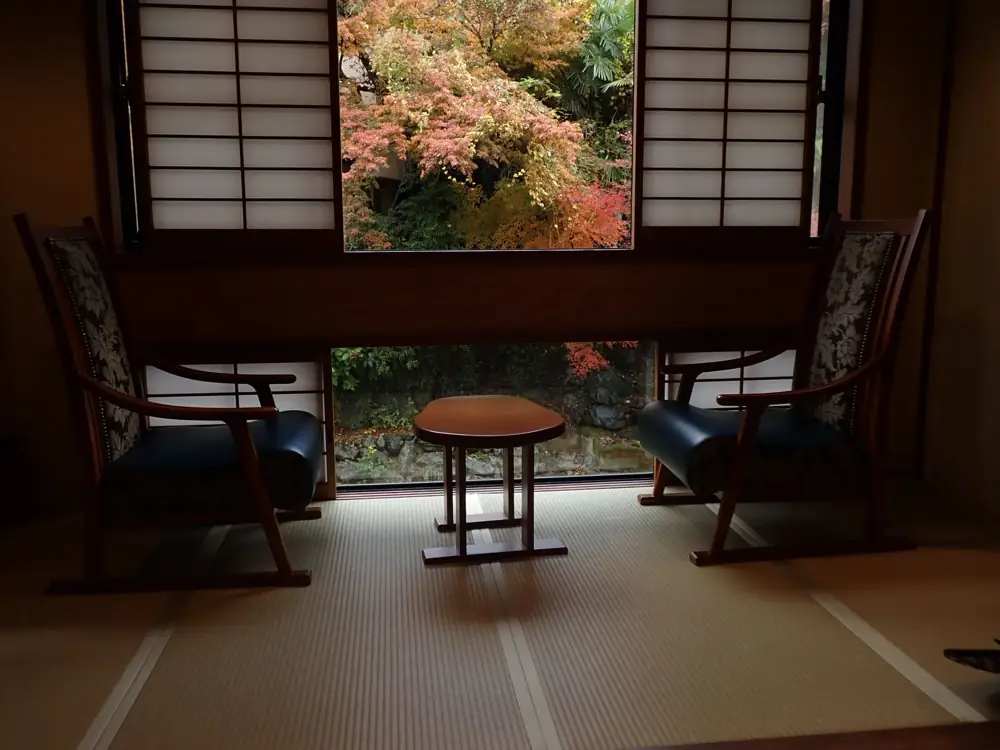
Kyoto’s classic ryokan, some centuries old, offer the most authentic experience: wooden architecture, meticulously raked gardens, tatami rooms with sliding shoji screens, and service refined over generations. Staying in one of these historic inns, often in atmospheric districts like Gion, connects you to Kyoto’s living heritage. These suit travellers seeking genuine tradition and cultural depth above all.
What to Expect and Budget
Luxury traditional ryokan in Kyoto typically range from around US$400 to US$1,500+ per person per night, including kaiseki dinner and breakfast. The premium reflects the heritage, the cuisine and the personal service. Because meals are elaborate and included, and service is highly personal, the value is in the complete experience. Historic ryokan in central and Gion locations command the highest rates for their setting and prestige.
Ryokan with Private Onsen Baths
The bath is central to the ryokan experience, and while many offer communal baths (segregated by gender), luxury ryokan increasingly provide rooms with private baths or open-air baths (rotenburo). For travellers who prefer privacy, or couples wanting to bathe together, a room with a private bath is a sought-after and relaxing feature, especially after a day exploring Kyoto’s temples.
Choosing a Bath Experience
Decide whether communal baths suit you or you’d prefer a room with a private bath — the latter costs more but offers privacy and is ideal for couples and those less comfortable with communal bathing. Some ryokan feature natural hot-spring (onsen) water, others heated baths. Confirm the bath arrangement when booking, as it’s a defining part of the stay and preferences vary considerably among guests.
Kaiseki Dining: The Heart of the Stay
Kaiseki — a multi-course meal of seasonal, artfully presented dishes — is the culinary heart of a ryokan stay and a highlight in itself. Often served in your room or a private dining space, it showcases Kyoto’s refined cuisine and seasonal ingredients across many small, beautiful courses. For food-loving travellers, the kaiseki experience alone justifies a ryokan stay, and Kyoto’s tradition is among Japan’s finest.
Savouring Kaiseki
Embrace the kaiseki experience as a highlight, not just a meal — each course reflects the season and the chef’s artistry, and the pace is leisurely. Inform the ryokan of any dietary needs in advance, as menus are set. Breakfast is typically a traditional Japanese spread. The included, elaborate meals are a core reason ryokan rates are quoted per person, so factor this into value comparisons.
Location: Gion, Higashiyama and Central Kyoto
Where your ryokan sits shapes your Kyoto experience. Gion, the historic geisha district, and the Higashiyama area near famous temples offer the most atmospheric, traditional settings within walking distance of key sights. Central Kyoto ryokan provide convenience for transport and dining. Choosing the location balances atmosphere against practicality, though Kyoto’s compact centre and good transport make most areas accessible.
Picking the Right Area
For atmosphere and proximity to temples and traditional streets, Gion and Higashiyama are ideal, immersing you in old Kyoto. For transport convenience, central locations near the station or subway suit those planning day trips. Kyoto is walkable and well-connected, so weigh the romance of a historic district against practical access, depending on your itinerary and how much you’ll be moving around.
Etiquette and Making the Most of a Ryokan
A ryokan stay involves gentle etiquette that enhances the experience: removing shoes at the entrance, wearing the provided yukata, and observing bathing customs (washing before entering communal baths). Staff guide you kindly, and embracing the customs deepens the immersion. Understanding a few basics beforehand helps you relax into the experience and appreciate the omotenashi hospitality fully.
Ryokan Tips
Learn the basic bathing etiquette (rinse before soaking, no swimwear in traditional baths), wear your yukata around the inn, and be punctual for the served meals, which are timed. Tatami rooms mean sleeping on futons laid out in the evening, a comfortable and authentic experience. Approaching the stay with openness to the customs makes it far more rewarding, and staff are always happy to help.
Best Time to Visit Kyoto
Kyoto is spectacular year-round, but spring (cherry blossom, late March to April) and autumn (fall foliage, November) are the most beautiful and popular, with the highest demand and prices. Summer is hot and humid, winter cool and quieter, both offering value and fewer crowds. A ryokan is especially atmospheric in autumn and winter, when a hot bath and kaiseki dinner feel most inviting.
Timing Tips
For cherry blossom or autumn foliage, book ryokan far in advance as these peak seasons sell out and command premium rates. For value and fewer crowds, summer and winter appeal, with winter especially cosy for a ryokan and hot-bath experience. Consider that Kyoto’s key seasons are extraordinarily busy, so early booking is essential if you want to align your stay with the blossoms or autumn colours.
Booking Tips
To get the best value, book directly or via a Japan-specialist for guidance and availability; understand that rates are usually per person and include dinner and breakfast; and confirm the bath arrangement (communal versus private) and room style. Book far ahead for cherry-blossom and autumn dates, and communicate dietary needs in advance since kaiseki menus are set. A specialist can help navigate the ryokan experience for first-timers.
Getting the Details Right
Confirm what’s included (dinner, breakfast, bath type), the room style (traditional tatami versus modern), the location, and any dietary accommodations, before booking. For couples, consider a private-bath room; for first-timers, choose a ryokan experienced with international guests. These details ensure the stay matches your expectations for authenticity, comfort and the level of immersion you want in Kyoto’s traditions.
Frequently Asked Questions
Are ryokan rates per person or per room?
Luxury ryokan rates are usually quoted per person and include an elaborate kaiseki dinner and breakfast, because the meals are central to the experience. This differs from Western hotels priced per room, so when comparing costs, factor in that the ryokan rate covers two substantial meals and highly personal service. Always confirm the basis and what’s included when booking.
Do I have to use communal baths at a ryokan?
Not necessarily. While many ryokan feature communal baths (segregated by gender, entered after washing), luxury ryokan increasingly offer rooms with private or open-air baths for those who prefer privacy or want to bathe as a couple. If communal bathing isn’t for you, book a room with a private bath. Confirm the bath arrangement when reserving, as it’s a defining and personal part of the stay.
When is the best time to stay in a Kyoto ryokan?
Kyoto is beautiful year-round. Spring cherry blossom (late March-April) and autumn foliage (November) are the most stunning and popular, requiring early booking and commanding peak prices. Summer is hot and humid, winter cool and quieter with better value, and a ryokan feels especially cosy in the cooler months. Choose based on whether you want the famous seasonal beauty or prefer value and fewer crowds.
Final Thoughts
A luxury ryokan in Kyoto offers an unforgettable immersion in Japanese tradition, from tatami rooms and hot-spring baths to the artistry of kaiseki dining, all wrapped in refined omotenashi hospitality. Decide on your bath preference and location, embrace the gentle etiquette, and book far ahead for the beautiful cherry-blossom or autumn seasons. Get those choices right and a Kyoto ryokan will be a highlight of any Japan journey, connecting you to the timeless heart of Japanese culture.